No products in the cart.: ₦0.00
Empowering Lives Through Nature’s Abundance
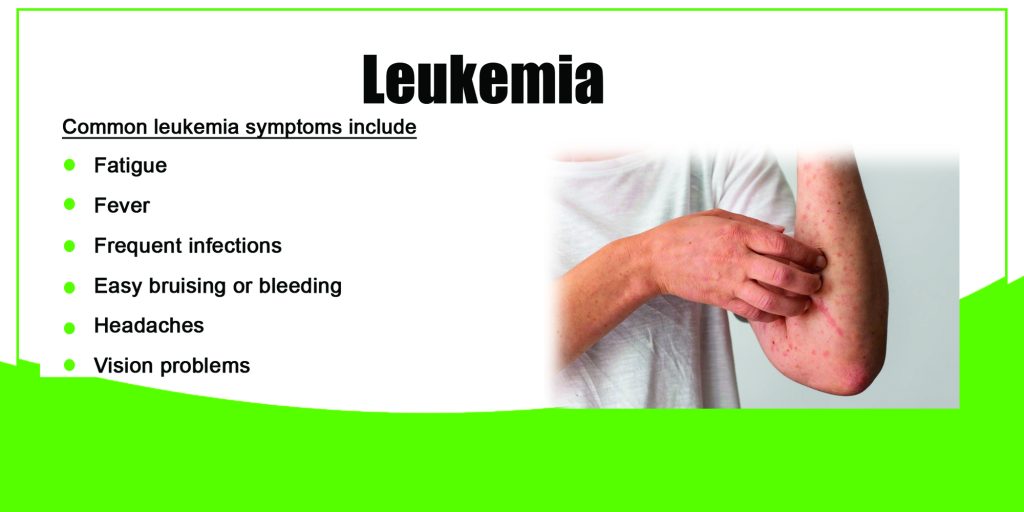
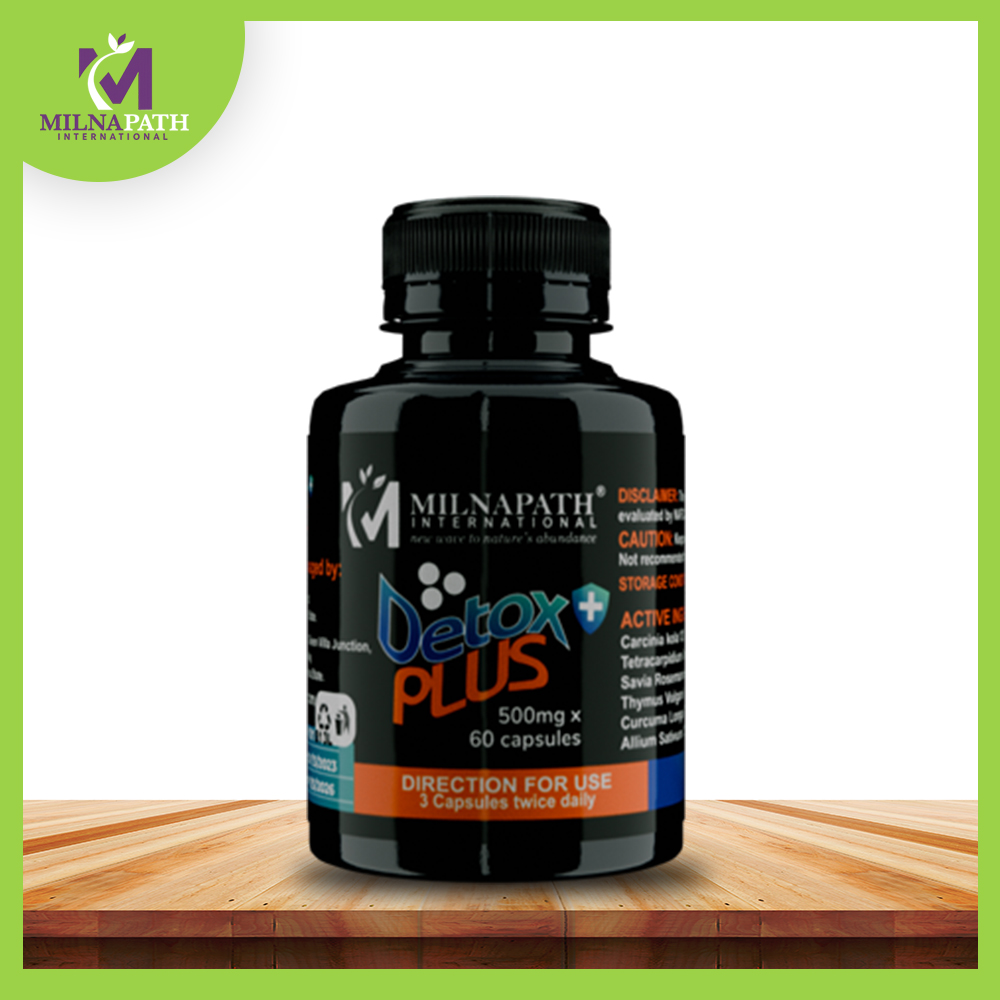
Detox Plus is a natural supplement that helps the body
flush out toxins, improve metabolism, and support organ health.
A toxic buildup in the body can lead to
high blood pressure, weak immunity, sluggish digestion, and chronic fatigue.
This product is formulated to help:
 Cleanses the liver, kidneys, and blood Improves digestion and boosts metabolism Enhances skin clarity and reduces inflammation Aids in weight loss and overall detoxification Strengthens the immune system
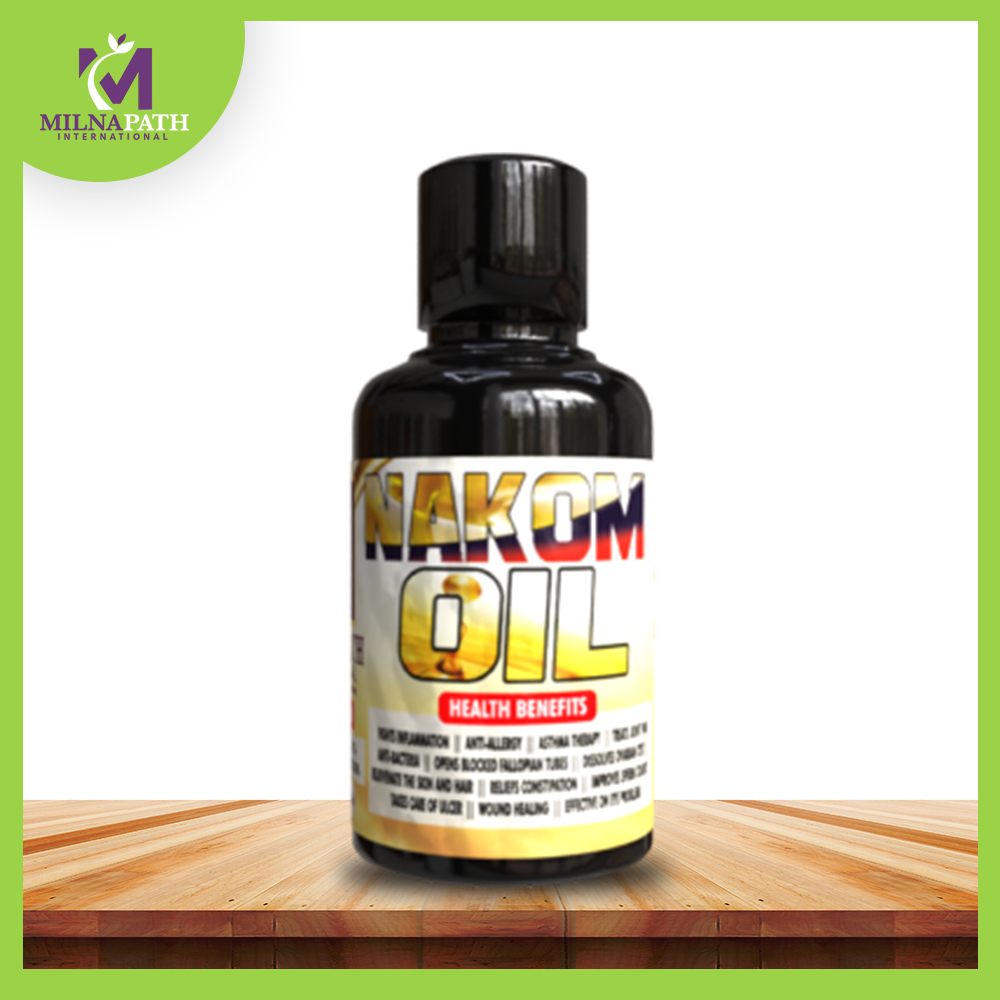
Nakom Oil is a unique herbal-infused oil designed to enhance
blood circulation, relieve pain, and support overall wellness.
It is used both topically (externally) and for inhalation,
making it an effective natural remedy for:
Improves blood circulation and helps prevent blood clots Relieves joint and muscle pain Reduces inflammation and promotes faster healing Helps manage stress, anxiety, and sleep disorders Supports the nervous system for overall well-being
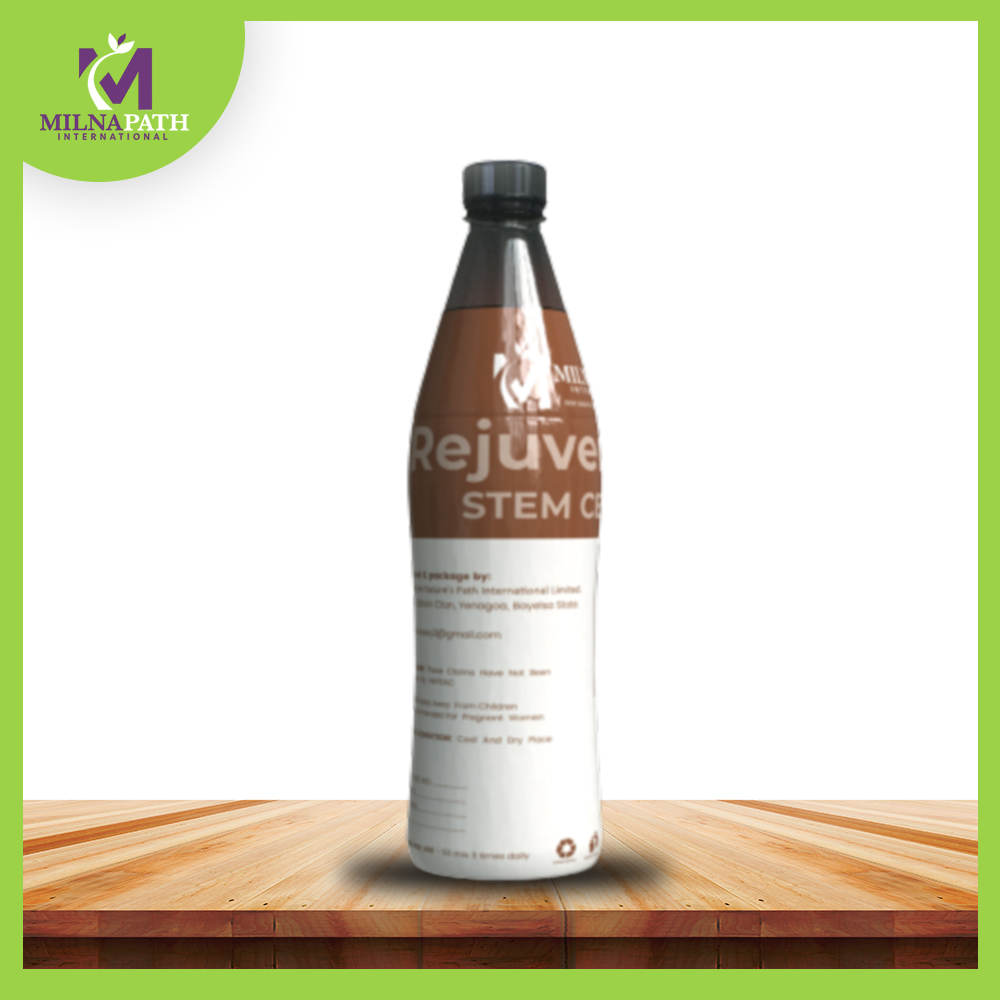
Rejuvenating Drink is a nutrient-rich, anti-aging, and joint-healing supplement designed to restore vitality, improve skin health, and support overall well-being.
It contains a powerful blend of collagen, antioxidants, vitamins, and herbal extracts that work together to combat aging, strengthen joints, boost immunity, and enhance overall body function.
 Who Can Benefit from Rejuvenating Drink?
 People with joint pain, arthritis, or bone weakness
Individuals experiencing premature aging (wrinkles, fine lines, dull skin)
Anyone feeling tired, weak, or lacking energy
Those looking to detoxify and boost their immune system
Athletes or active individuals needing faster recovery and stronger joints
Anyone seeking natural anti-aging solutions without surgery or expensive treatments
 Key Ingredients in Rejuvenating Drink & Their Benefits
 Collagen Peptides – Repairs cartilage, strengthens bones, and improves skin elasticity.
Hyaluronic Acid – Retains moisture in skin and joints, improving flexibility.
Vitamin C & E – Powerful antioxidants that boost skin glow and immune defense.
Glucosamine & Chondroitin – Supports joint health and reduces arthritis pain.
Turmeric Extract – Reduces inflammation and pain in joints.
Green Tea Extract – Detoxifies and supports weight management.
B Vitamins – Boosts energy levels and fights fatigue.
Aloe Vera – Improves digestion and detoxification.
 Why Choose Rejuvenating Drink?
 100% Natural & Safe – No harmful chemicals or artificial additives.
Scientifically Backed – Contains ingredients proven to work in clinical studies.
Works Holistically – Targets joints, skin, metabolism, and immunity all at once.
No Need for Expensive Treatments – Get anti-aging, pain relief, and vitality boost naturally.
Rejuvenating Drink is a powerful all-in-one solution for anyone looking to heal their joints, regain youthful energy, and achieve glowing skin. Whether you’re battling arthritis, aging signs, or fatigue, this product can transform your health naturally.