Empowering Lives Through Nature’s Abundance
Kidney Problems
- Home
- Kidney Problems
Get cure for Chronic kidney diseases
A progressive loss of kidney function is associated with chronic renal failure. Urine serves as the kidneys’ means of filtering wastes and extra fluid from the blood. Your body may accumulate hazardous amounts of fluid, electrolytes, and waste products if you have advanced chronic renal disease.
Symptoms of Chronic kidney disease
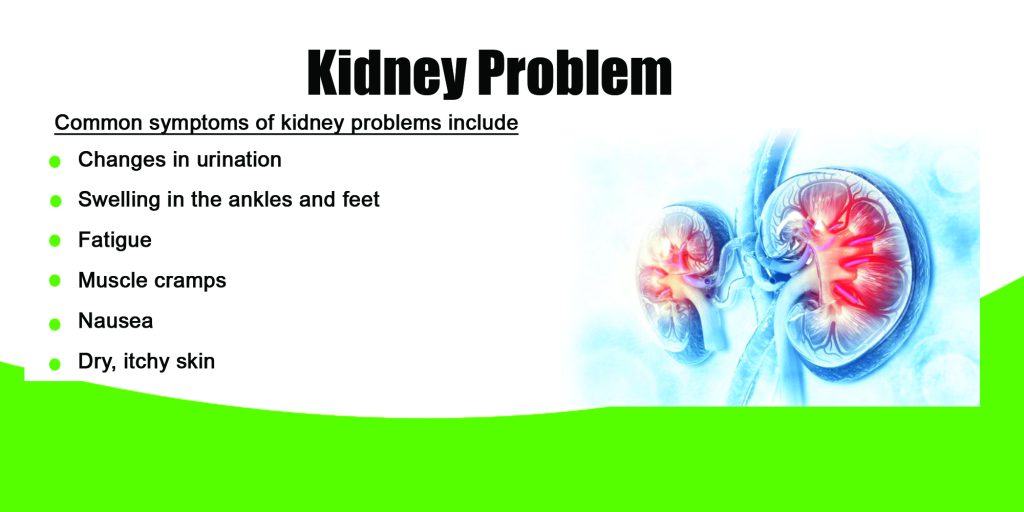
If kidney damage advances slowly, signs and symptoms of chronic renal disease appear gradually. Renal failure may result in electrolyte imbalances or a build up of fluid waste. Depending on the severity of loss of kidney function, it may lead to:
When a sickness or ailment affects kidney function, kidney damage worsens over a period of months or years, leading to chronic kidney disease. Chronic kidney disease can result from the following illnesses and conditions:
- Nausea
- Vomiting
- Loss of appetite
- Fatigue and weakness
- Sleep problems
- Urinating more or less
- Decreased mental sharpness
- Muscle cramps
- Swelling of feet and ankles
- Dry, itchy skin
- High blood pressure (hypertension) that is difficult to control
- Shortness of breath, if fluid builds up in the lungs
- Chest pain, if fluid builds up around the lining of the heart
When a sickness or ailment affects kidney function, kidney damage worsens over a period of months or years, leading to chronic kidney disease. Chronic kidney disease can result from the following illnesses and conditions:
- Type 1 or type 2 diabetes
- High blood pressure
- Glomerulonephritis (gloe-mer-u-low-nuh-FRY-tis), an inflammation of the kidney’s filtering units (glomeruli)
- Interstitial nephritis (in-tur-STISH-ul nuh-FRY-tis), an inflammation of the kidney’s tubules and surrounding structures
- Polycystic kidney disease or other inherited kidney diseases
- Prolonged obstruction of the urinary tract, from conditions such as enlarged prostate, kidney stones, and some cancers
Complications
The effects of chronic renal disease can be felt practically everywhere in the body. Possible issues consist of:
- Fluid retention, which could lead to swelling in your arms and legs, high blood pressure, or fluid in your lungs (pulmonary edema)
- A sudden rise in potassium levels in your blood (hyperkalemia), could impair your heart’s function and can be life-threatening
- Anemia
- Heart disease
- Weak bones and an increased risk of bone fractures
- Decreased sex drive, erectile dysfunction or reduced fertility
- Damage to your central nervous system, which can cause difficulty concentrating, personality changes, or seizures
- Decreased immune response, which makes you more vulnerable to infection
- Pericarditis, is an inflammation of the saclike membrane that envelops your heart (pericardium)
- Pregnancy complications that carry risks for the mother and the developing fetus
- Irreversible damage to your kidneys (end-stage kidney disease), eventually requiring either dialysis or a kidney transplant for survival