
No products in the cart.: ₦0.00
Empowering Lives Through Nature’s Abundance
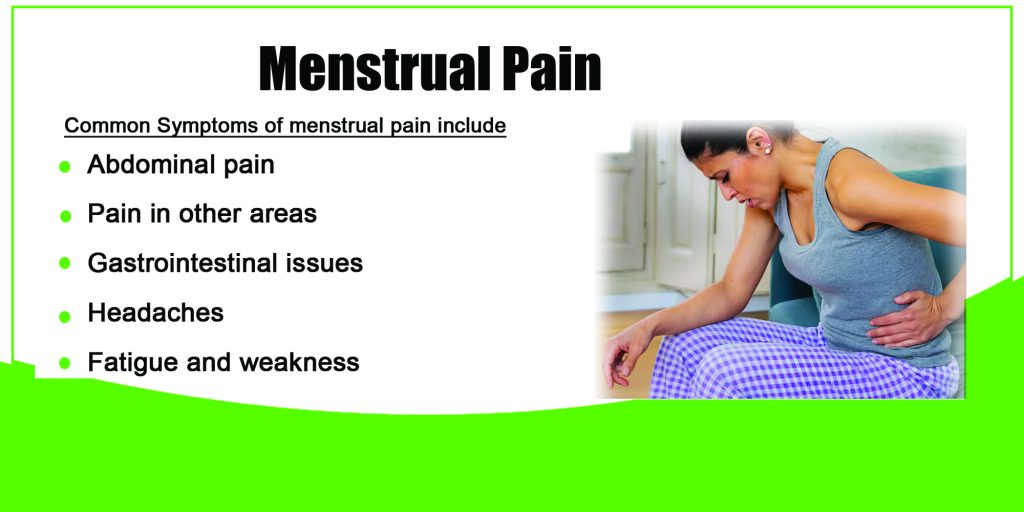
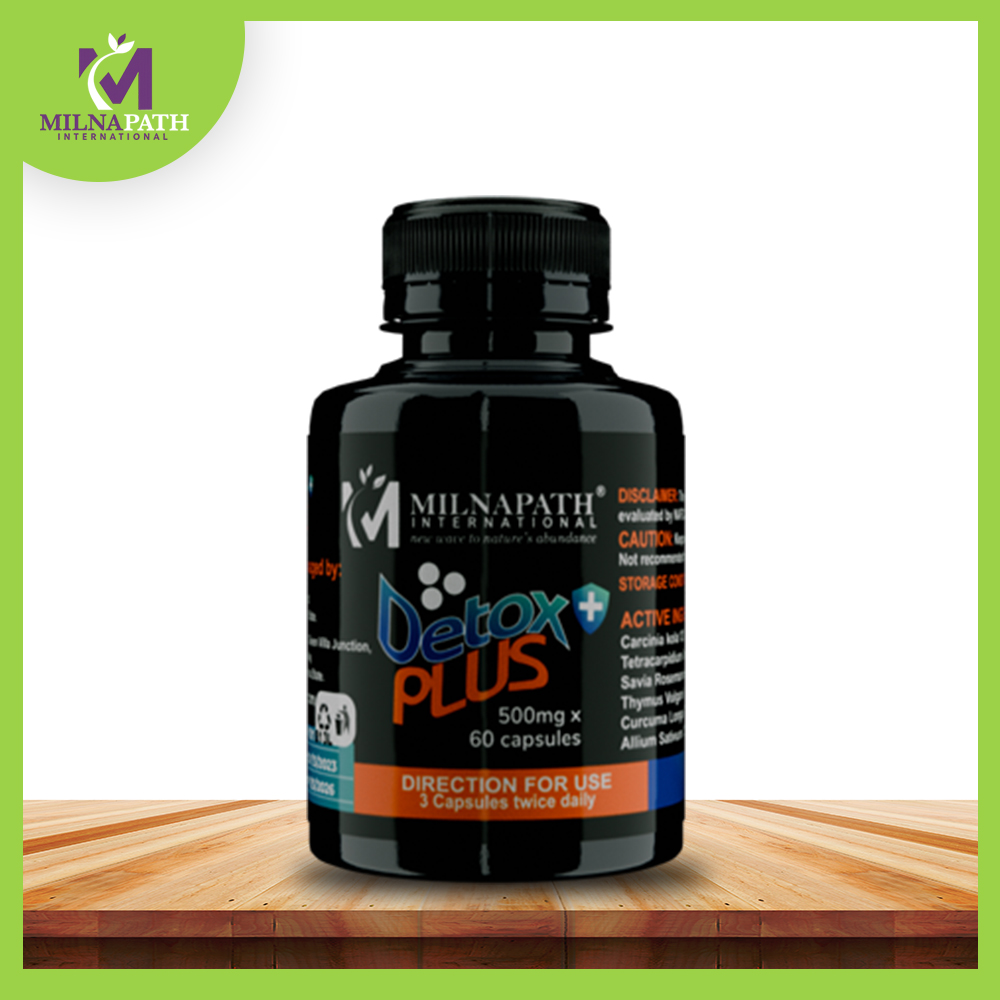
One Detox Plus is a natural detox supplement designed to flush out toxins, cleanse vital organs (liver, kidneys, and colon), and improve digestion. It also helps boost metabolism, strengthen the immune system, and support overall body wellness.
✔ Flushes out harmful toxins from the body
✔ Boosts liver and kidney function for better digestion and nutrient absorption
✔ Aids weight loss by reducing bloating and burning excess fat
✔ Strengthens the immune system and protects against infections
✔ Improves energy levels and reduces fatigue
✔ Balances hormones and supports reproductive health
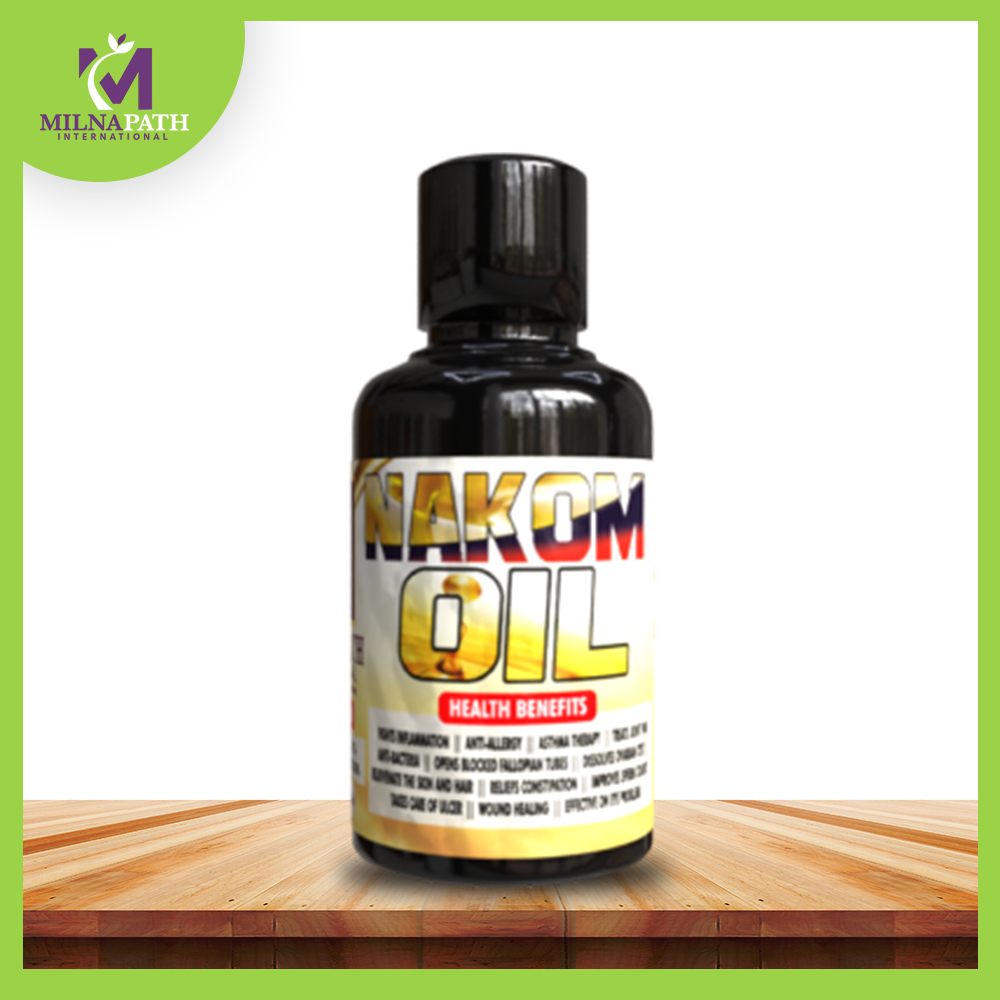
Nakom Oil is a herbal massage oil designed to improve blood circulation, enhance sexual performance, and relieve muscle or joint pain.
It is widely used by men for erectile dysfunction (impotence) and by women for increased sensitivity and hormonal balance.
✔ Boosts blood circulation to vital areas, including the reproductive organs
✔ Enhances erection strength and stamina in men
✔ Improves lubrication & sensitivity for women during intimacy
✔ Relieves muscle and joint pain
✔ Supports nerve health, reducing numbness and body discomfort
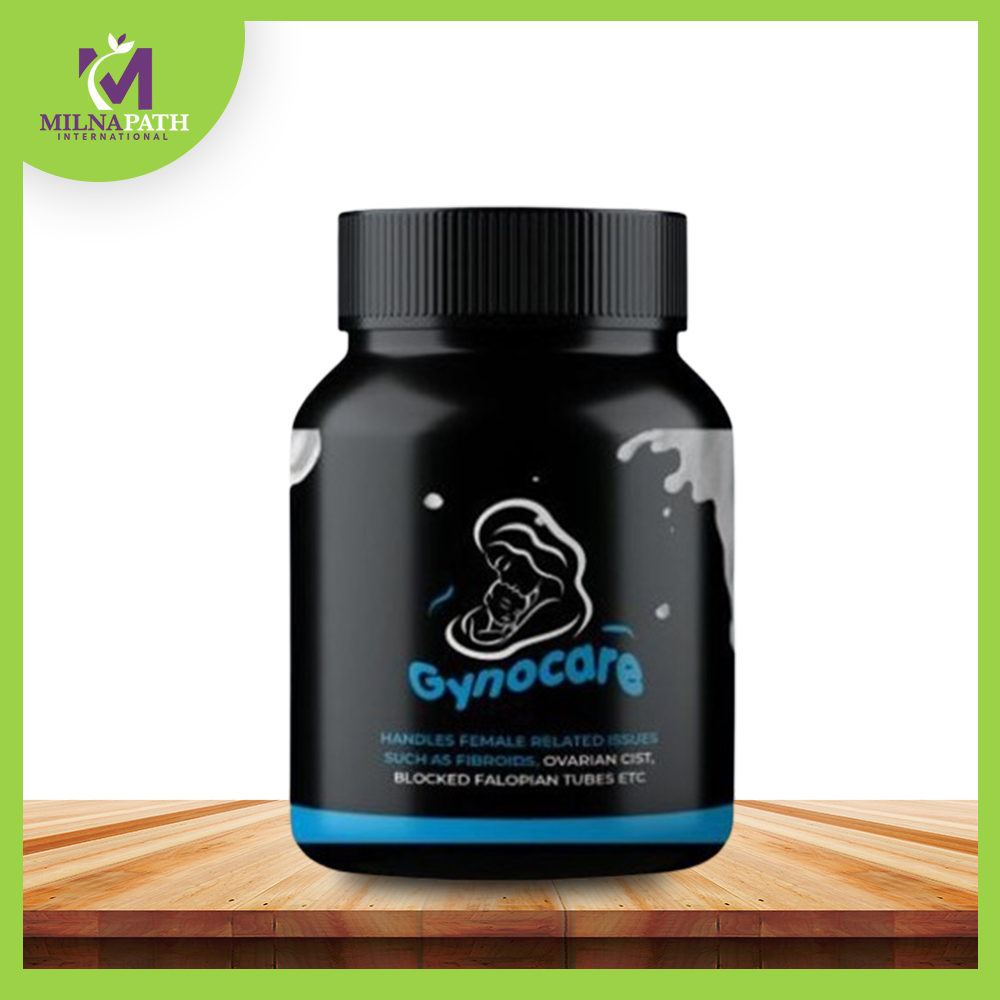
Gynocare is a natural supplement specifically formulated for women to regulate hormones, boost fertility, relieve menstrual irregularities, and improve reproductive health. It is commonly used to treat PCOS, fibroids, and other hormonal imbalances.
✔ Balances hormones, reducing symptoms of PCOS and menstrual pain
✔ Enhances fertility and improves ovulation cycles
✔ Prevents fibroid growth and reduces ovarian cysts
✔ Boosts reproductive health for women trying to conceive
✔ Improves skin clarity by reducing hormonal acne

+234 802 997 0395

Discover the right solutions with MILNAPATH — whether you’re seeking effective treatment options or reliable product distribution, we’re here to support your health and business needs.

No WhatsApp Number Found!
WhatsApp us

